Unraveling the Mystery: The Elusive "Cuca Vasco Interesse"
In the vast expanse of online information, some phrases stand out not for their abundance of content, but for their profound absence. "Cuca Vasco Interesse" is one such enigmatic term that, despite its intriguing blend of potential references, yields surprisingly little direct, authoritative information in conventional databases. When delving into comprehensive sources like encyclopedic entries, professional style guides, or even detailed technical reports, the phrase "cuca vasco interesse" consistently remains elusive. This article aims to explore this informational void, dissect what this phrase might imply, and offer insights into why it remains undocumented in key public records, while also providing strategies for investigating such opaque terms.
The very premise of this inquiry stems from the observed lack of data. Attempts to locate information about "cuca vasco interesse" in diverse, high-authority contexts – such as a Wikipedia article on a renowned footballer like Mauricio Victorino, a comprehensive style manual like the "Manual-de-Redacao-e-Estilo-Do-Estadao," or an exhaustive Environmental and Social Impact Assessment document for a major project – have consistently returned no relevant results. This widespread absence across different types of documentation, from biographical to editorial to highly technical, suggests that "cuca vasco interesse" is not a commonly recognized event, entity, or concept within these established informational frameworks. This challenges researchers and curious minds alike to consider why certain phrases resist easy categorization and public documentation.
The Information Void: Why Key Documents Lack "Cuca Vasco Interesse"
The consistent non-appearance of "cuca vasco interesse" in the types of documents mentioned is highly significant. Let's consider the nature of these sources:
*
Wikipedia Articles: These are collaborative, community-driven encyclopedias designed to document notable individuals, events, organizations, and concepts with verifiable sources. If "cuca vasco interesse" referred to a significant public event, a well-known individual's specific involvement, or a widely recognized concept, one would expect it to be referenced, especially if it touched upon sports figures or Brazilian cultural elements. The lack of its presence suggests it's not a broadly established fact or a notable piece of public information.
*
Style Guides and Editorial Manuals: Publications like the "Manual-de-Redacao-e-Estilo-Do-Estadao" are authoritative texts for journalistic standards, language usage, and factual accuracy. While they don't contain factual articles themselves, they guide the creation of such articles. The absence of "cuca vasco interesse" implies it's not a phrase that has required specific editorial guidance due to its common usage or potential for misinterpretation in published news.
*
Technical and Environmental Impact Assessments: Documents such as an Environmental and Social Impact Assessment (ESIA) for a large-scale project (like the Bita System IV Water Supply Scheme) are exhaustive in their scope, detailing everything from geological conditions to socio-economic impacts. These documents are characterized by precision and a vast array of specific data. The fact that "cuca vasco interesse" doesn't appear here further underscores its detachment from established technical, scientific, or infrastructure-related discourse.
The cumulative evidence from these varied sources strongly indicates that "cuca vasco interesse" is not a mainstream term, a widely reported news item, or a subject requiring formal technical documentation. Its non-existence in these contexts serves as a powerful indicator of its niche, obscure, or potentially misphrased nature. This compels us to consider what "cuca vasco interesse" could possibly mean, given the components of the phrase.
Deconstructing the Phrase: Potential Meanings and Interpretations
To understand the mystery of "cuca vasco interesse," we must break down its individual components, which appear to be Portuguese words:
*
Cuca: This term has several potential interpretations, each leading down a different investigative path.
*
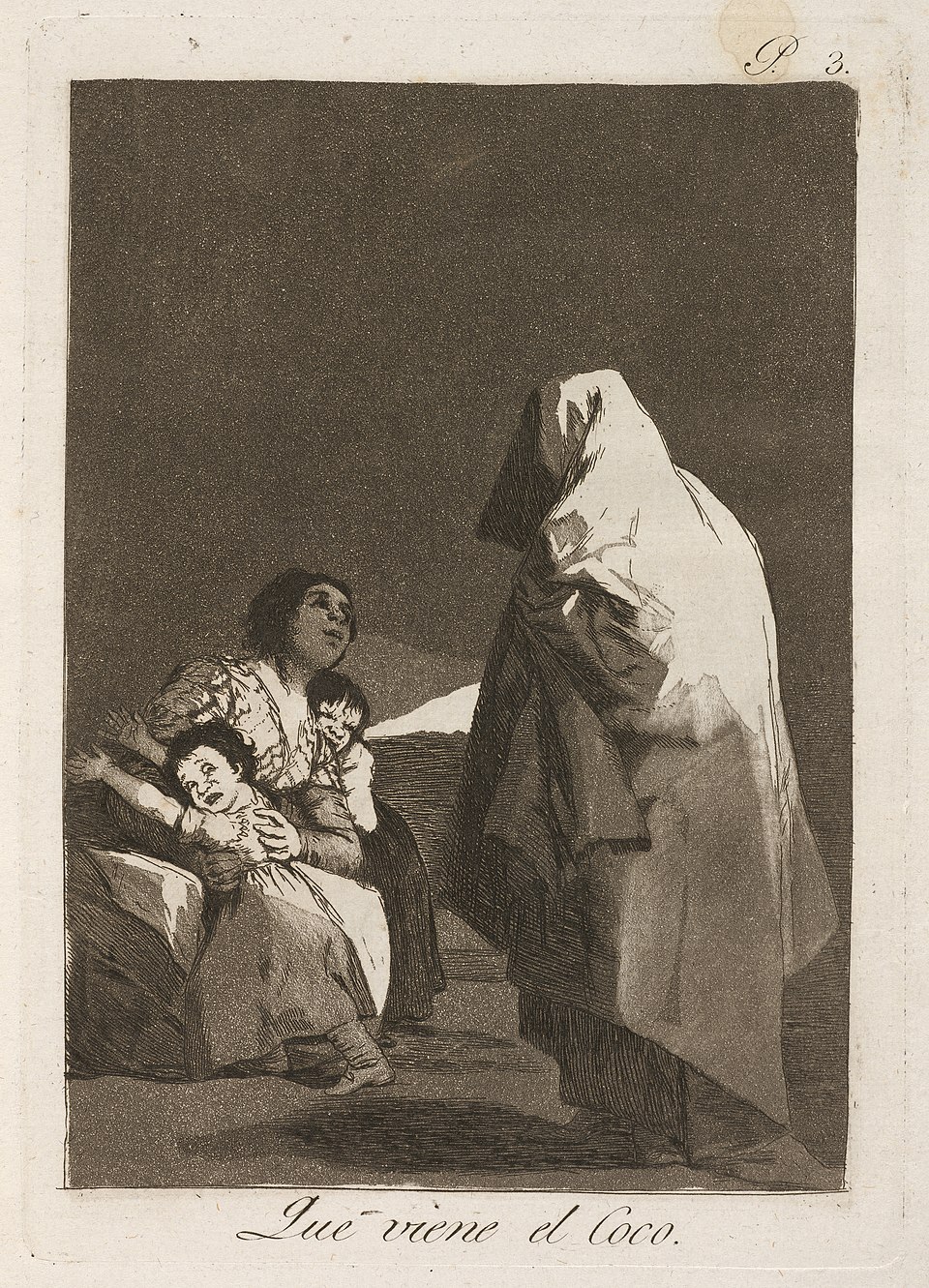
Mythological Figure: In Brazilian folklore, the Cuca is a fearsome, alligator-like creature (or sometimes an old witch) who snatches disobedient children. If "cuca" refers to this mythical entity, then "Cuca Vasco Interesse" might be an abstract or metaphorical reference, perhaps within a creative work, a fan theory, or an allegorical discussion about fear or supernatural influence related to Vasco.
*
Personal Name/Nickname: "Cuca" is also a common nickname for individuals, particularly in Brazilian football. The most prominent figure is Alexi Stival, widely known as Cuca, a successful Brazilian football manager who has coached numerous top clubs. If this "Cuca" is the manager, then the phrase likely refers to his *interest* in Club de Regatas Vasco da Gama.
*
Other Meanings: "Cuca" can also refer to a type of cake in some regions, or even a specific slang term, although these seem less likely in combination with "Vasco" and "interesse."
*
Vasco: This almost certainly refers to Club de Regatas Vasco da Gama, one of Brazil's most historic and popular football clubs, based in Rio de Janeiro. Vasco da Gama has a rich history in multiple sports, but its football team is by far its most recognized entity.
*
Interesse: This is the Portuguese word for "interest." It denotes a state of being concerned or curious about something, or having a stake in it.
Combining these elements, the most plausible interpretations of "cuca vasco interesse" would revolve around:
1.
Manager Cuca's interest in Vasco da Gama: This could mean Cuca (the coach) was interested in coaching Vasco, Vasco was interested in hiring Cuca, or Cuca expressed an opinion or stake regarding Vasco's affairs. This would typically be a subject of sports news and speculation.
2.
A metaphorical or cultural "interest" relating the mythical Cuca to Vasco da Gama: Perhaps in a song, a story, or a piece of fan art that connects the folklore figure with the football club in an abstract way.
3.
A highly specific, internal, or transient "interest" that simply hasn't gained public traction. It might be a fleeting thought, a private conversation, or a very localized topic that hasn't made its way into broader documentation.
Given the prevalence of football news and the public nature of club affairs, if "Cuca Vasco interesse" referred to a significant coaching negotiation or a notable public statement, it would likely be extensively covered by sports media and subsequently indexed in online archives. The fact that it isn't suggests that if such an "interest" ever existed, it was either very minor, never materialized, or was confined to a very private sphere, thus explaining its absence in more formal public records. Readers seeking more context on such undocumented phrases might find value in exploring
Cuca Vasco Interesse: Not Found in Current Web Contexts to broaden their search.
Navigating the Unknown: Strategies for Investigating Elusive Terms
When faced with a term like "cuca vasco interesse" that proves elusive in standard searches, a different investigative approach is required. Here are some practical tips and strategies for uncovering information about obscure or poorly documented phrases:
*
Refine and Expand Keywords:
* Try variations: "Cuca interesse Vasco," "interesse de Cuca no Vasco," "Cuca coach Vasco rumors."
* Add dates: If you suspect it's time-sensitive, try adding years (e.g., "Cuca Vasco interesse 2023").
* Use related terms: "Alexi Stival Vasco," "Vasco da Gama coach speculation," "Vasco transfer news."
*
Target Niche Communities and Forums:
* **Sports Forums/Fan Sites:** For terms involving football clubs and coaches, the most immediate information often resides in fan communities, dedicated sports news sites (especially local Brazilian ones), and unofficial fan blogs. These platforms might contain discussions, rumors, or unverified reports that precede formal news coverage.
* **Social Media:** Twitter (X), Facebook groups, and Reddit are often hotbeds for speculation and early reporting, particularly in the fast-paced world of sports. Search hashtags and relevant accounts.
*
Consider Language and Regional Nuances:
* Since the terms are Portuguese, ensure your search engines are configured to prioritize Portuguese content or explicitly add "em Português" to your queries.
* Look for regional news outlets in Brazil, especially those covering Rio de Janeiro where Vasco da Gama is based.
*
Investigate Misspellings or Semantic Shifts:
* Could "interesse" be a different but similar-sounding word? Could "Cuca" be a slightly different name?
* Sometimes terms evolve in meaning or are part of an inside joke or highly localized slang.
*
Contextual Clues: Where did you first encounter this phrase? The origin of the query can provide invaluable context. Was it in a conversation, a specific document, or a social media post? Understanding its source can help narrow down its potential meaning.
*
Reverse Image Search: If the phrase was accompanied by an image, a reverse image search could lead to its origin or related content.
These investigative strategies leverage the decentralized nature of information to piece together clues, even when official sources are silent. The journey into the unknown often begins with a flexible and persistent approach to searching. For a deeper dive into the challenges of finding information, consider reading
No Cuca Vasco Interesse: Reviewing Wikipedia and Technical Reports.
Future Prospects and the Search for Clarity
The enduring mystery of "cuca vasco interesse" highlights a crucial aspect of information retrieval: not everything that is discussed or thought about makes it into formally indexed, publicly accessible documents. Some information remains in ephemeral conversations, specific subcultures, or simply hasn't achieved the level of notability required for widespread documentation.
For those actively seeking to understand "cuca vasco interesse," the path forward involves a blend of specific, targeted searches within relevant communities and a recognition that the information might be scarce because the "interest" itself was minor, unconfirmed, or simply never came to fruition. As the digital landscape constantly evolves, what is obscure today might become clearer tomorrow, especially if new developments connect the dots. However, for now, the phrase remains a testament to the vast amount of human discourse that exists beyond the structured confines of encyclopedias, technical reports, and style guides.
Conclusion
The phrase "cuca vasco interesse" serves as a compelling case study in the dynamics of information availability. Its consistent absence across diverse, authoritative online sources – from encyclopedias to technical documents – indicates that it is not a widely documented event, person, or concept within the public domain. Deconstructing the phrase points most plausibly to a potential connection between football manager Cuca and Club de Regatas Vasco da Gama, likely regarding a coaching role or a related football matter. The lack of verifiable public records, however, suggests that any such "interest" was either fleeting, unconfirmed, highly speculative, or confined to private discussions. For anyone encountering similar elusive terms, employing advanced search strategies, delving into niche community forums, and considering the cultural and linguistic context are essential steps in piecing together the true meaning and significance of such informational voids.